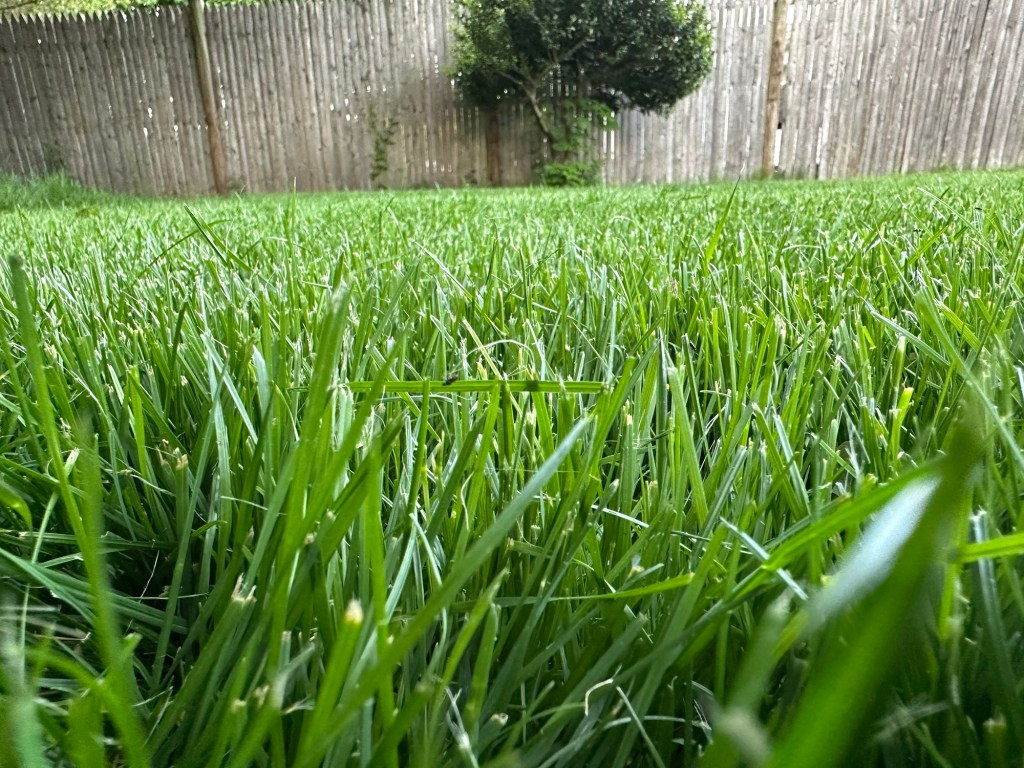
For years, I was that guy.
I threw seed down whenever I felt like it. Watered once when I remembered. Bought whatever fertilizer had the brightest bag. Mowed whenever I had time – too short, too tall, didn’t matter.
And every spring?
Same thin, ugly lawn. Same frustration. Same feeling of wasting money.
I love lawn care. I really do. There is something grounding about building something living – shaping it, nurturing it, watching it come back stronger every season. But for a long time my passion didn’t translate into results, because passion without process is worthless.
This post is about the moment everything finally changed.
The Lawn That Broke Me
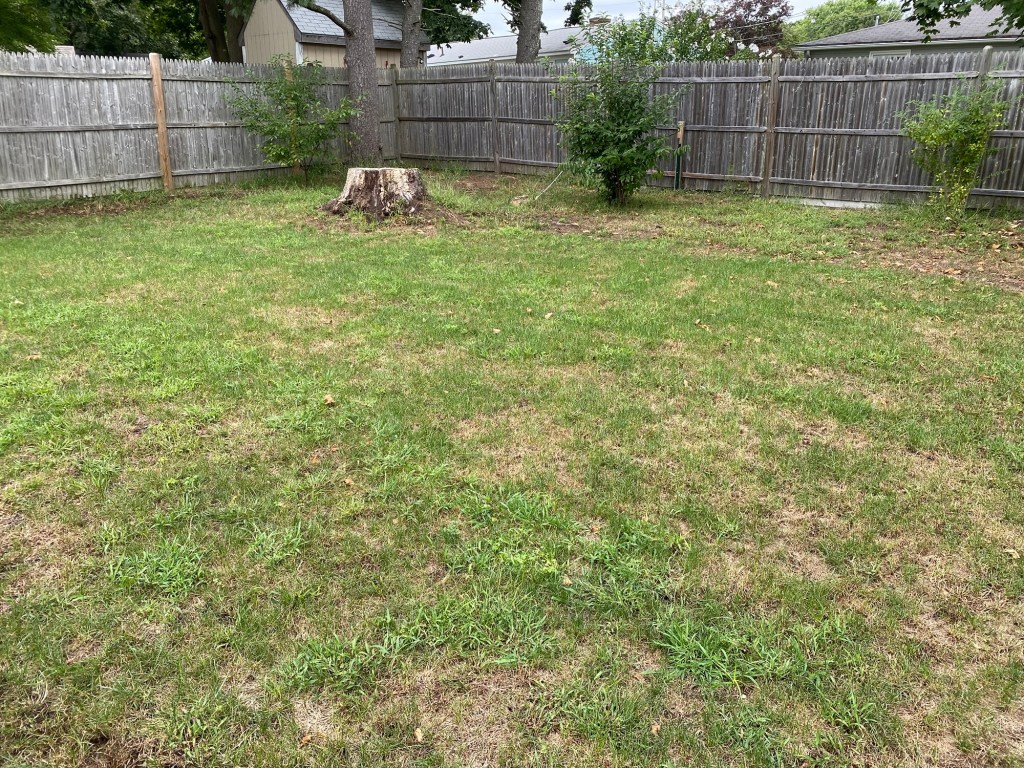
Three seasons straight, my grass looked like a worn carpet:
Bare spots everywhere Weeds filling the gaps Seed washing away in rain Burnt patches from bad feeding
I was trying harder, not smarter.
The worst part? I knew better. I just kept cutting corners because I wanted fast results.
There aren’t shortcuts in lawn care. There are only systems.
Once I finally respected the system, my lawn changed completely.
The Method I Use Every Fall
This is my real-world process. No chemicals. No gimmicks. Just fundamentals done right.
1 – Cut Low
I mow to 2 to 2.5 inches and bag everything. Grass clippings block soil contact. That alone ruins most overseeding attempts.
2 – Break the Surface
Metal rake or dethatcher – doesn’t matter.
I scratch the soil until the seed has places to sit and anchor. No tilling. Just scarring the surface.
3 – Seed Selection
I run: Tall fescue blends for toughness Kentucky bluegrass for self-repair spread No coated junk. No marketing tricks.
4 – Lock It Down
This step made the biggest difference for me. I lightly topdress with peat moss or compost.
This holds moisture Prevents washout Protects seed from birds
Before I did this, my germination rate was awful.
After I started?
Night and day.
5 – Water Like You Mean It
This part matters more than everything else:
2 to 3 light waterings per day for the first two weeks. Keep the soil damp. No puddles.
If seed dries out mid-germination, it dies. Consistency beats intensity.
6 – Sit on Your Hands
First mow happens when grass reaches 3.5 to 4 inches. Drop it to 3 inches with a sharp blade.
Mowing too early weakens the new grass you worked so hard to grow.
What Changed
Within 30 days:
Bare spots filled in Turf thickened Weeds disappeared under competition Roots established before winter. Spring came and my lawn exploded.
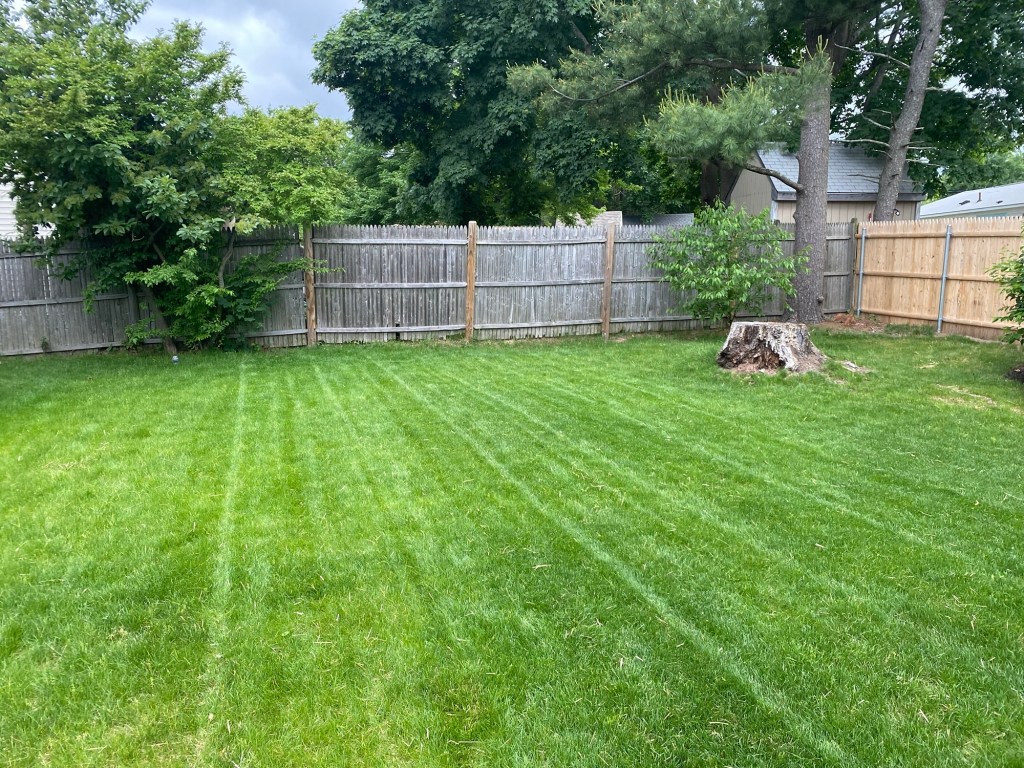
No patchy embarrassment. No excuses. Just thick, healthy grass. Quiet proof that the process works.
What I Learned the Hard Way
Here’s what actually kills lawns: Tossing seed without soil prep Watering once per day Skipping topdressing Fertilizing too early Mowing too soon I made every one of those mistakes. Each shortcut cost me an entire season.
Why I’m Starting This Blog
Not to sell snake oil.
Not to pretend I’m a landscaping pro.
I’m here because; Lawn care became my peace I screwed up enough to know what fails. Most homeowners aren’t failing from bad effort – they’re missing the basics
I want to document what truly works.
No hype. No brand worship. No nonsense.
What You’ll Find Here
Honest seed and product reviews (paid and unpaid) Real lawn experiments, including wins and failures Budget setups that outperform fancy gear Lawn schedules anyone can stick to.
This site grows as my yard grows – one season at a time.
Final Word for Anyone Starting Out
Your lawn isn’t ugly because you’re bad at this.
It struggles because no one tells you the boring truth: Grass rewards discipline, not enthusiasm.
Coming Next:
Best tall fescue blends tested
Beginner fertilization schedule with zero burn risk
My actual spring lawn recovery plan
Your Turn
If you’re ready to stop half-assing your lawn, you’re in the right place. This is what the work looks like. Let’s build something real.
 Turf Standard
Leave a comment